
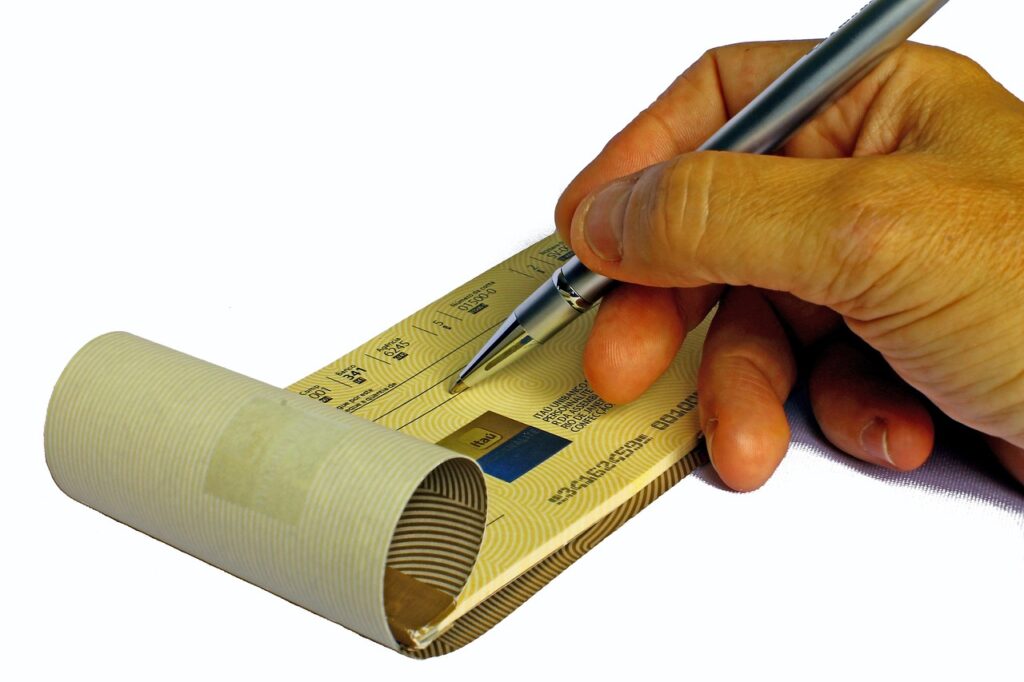
In the fast-paced world of small businesses and MSMEs, cheques still play a vital role in payments—especially for large transactions. But what happens when a cheque is returned or a cheque bounce? For many MSME owners, this isn’t just a banking issue—it’s a legal, financial, and emotional nightmare.
Here’s a real story of my friend who runs a small MSME unit in Assam. A single bounced cheque resulted in a case filed from Delhi, and the consequences were far-reaching. This blog explains:
- The difference between cheque return and cheque bounce.
- The legal and business implications
- Real examples from across India
- And how you, as an MSME owner, can avoid this trap
Cheque Return vs Cheque Bounce – is Cheque Return vs Cheque Bounce?
1. Cheque Return
A cheque return means the bank didn’t process the cheque. This could be due to:
- Signature mismatch
- Stale date or post-dated cheque
- Account closed
- Damaged cheque
- Stop payment instructions
It is not a legal offence, but it does cause inconvenience.
2.what is Bounce cheque or cheque bounce.
When a cheque is returned due to insufficient funds, it becomes a criminal offence under Section 138 of the Negotiable Instruments Act, 1881.
This can lead to:
- Legal notice
- Court case
- Fine up to double the cheque amount
- Imprisonment up to 2 years
Real-Life Example: My Friend’s MSME Nightmare
My friend, who owns a small factory in Assam, issued a post-dated cheque to a Delhi-based supplier. Due to a sudden cash flow crunch, the cheque bounced.
What followed was a disaster:
- The Delhi firm sent a legal notice
- A case was filed in delhi.
- My friend had to travel to Delhi for every court hearing
- He also had to pay a lawyer, manage hotel stays, and still run his business back in Assam
Imagine running a small business, and every few weeks you have to spend 4–5 days out of town, spend thousands on travel, and fight a criminal case just because of one missed payment!
Business Impact of Cheque Bounce
- Cash Flow Disruption
You lose trust from suppliers and buyers. Vendors may start asking for advance payments. - Legal and Criminal Liability
Court cases can stretch for 2–4 years. It’s draining both mentally and financially. - Reputation Damage
Word spreads in your local and business community. Your credibility as a business takes a hit. - Creditworthiness Falls
Once your cheque bounces, banks and lenders become cautious. Future funding gets tough.
A cheque bounce Timeline at a Glance
| Stage | What Happens |
|---|---|
| Day 1 | Cheque deposited in the bank |
| Within a few days | Cheque returned unpaid with bank memo |
| Before cheque validity expires | Cheque may be presented again if appropriate |
| Within 30 days of dishonour information | Legal demand notice is generally issued |
| Next 15 days | Drawer gets an opportunity to pay |
| If payment is not made | Complaint may be filed before the Magistrate within the prescribed limitation period |
| Court Proceedings | Summons, evidence, defence, and hearing |
| Final Stage | Judgment or settlement |
BusinessZindagi Tip: A cheque bounce case is often not about sending someone to jail. In practice, many disputes are resolved through negotiation and payment before the case reaches its final judgment. If you receive a legal notice, do not ignore it. Seeking timely legal advice may help resolve the matter more quickly and reduce costs.
Key Learning: What MSMEs Should Do
✅ 1. Always Maintain Sufficient Balance
Avoid issuing cheques unless you’re 100% sure about funds. Keep buffer funds, especially before weekends and holidays.
✅ 2. Prefer Digital Payments
RTGS, NEFT, UPI are faster, traceable, and avoid bounce-related problems.
✅ 3. Use PDCs (Post-Dated Cheques) Cautiously
If giving post-dated cheques, make sure your payment cycles align properly.
✅ 4. Communicate Early
If you’re about to miss a payment, inform the party before the cheque date. Rescheduling is better than a legal case.
✅ 5. Hire a Local Advocate
In case things go wrong, you must immediately consult a legal expert to draft a proper response to any notice.
✅ 6. Respond to Legal Notices on Time
If you get a notice under Section 138, you have just 15 days to make the payment. Don’t miss this window.
📌 Cheque Bounce Cases Across India – A Quick Look
- A business in Mumbai faced 4 years of litigation over a bounced cheque of just ₹1.5 lakh. Final cost: ₹5 lakh including lawyers.
- A supplier in Bangalore got full recovery within 10 days by responding promptly and settling the dispute before court.
✍️ Final Words
For MSMEs, every transaction matters—and so does every mistake. A bounced cheque might feel like a small issue, but it can drag you into courtrooms, drain your money, kill your time, and damage your hard-earned reputation.
My friend’s case from Assam is a lesson for all small business owners:
Never take cheques lightly. Always plan your finances, and be cautious with post-dated payments.
One mistake can cost years of peace.
Recommended Business Tools
Running a business involves more than just receiving payments. Keeping proper accounts and finding new customers are equally important.
- 📊 Manage your business finances with Zoho Books – Create GST-ready invoices, track expenses, manage inventory, and simplify accounting.start a free trail of zoho books
- 🌍 Looking for international buyers? Use Volza’s global trade database to discover verified importers, analyse competitors, and explore export opportunities.start a free trail of volza
❓ Frequently Asked Questions (FAQ)
What is cheque bounce in India?
A cheque bounce happens when a bank refuses to process a cheque due to reasons like insufficient balance, signature mismatch, or technical errors. It is a legal offence under Indian law.
Is cheque bounce a criminal offence?
Yes. Under the Negotiable Instruments Act, 1881 (Section 138), cheque bounce is a criminal offence and may lead to fine or imprisonment.
What is the punishment for cheque bounce?
The punishment can include:
- Fine up to twice the cheque amount
- Imprisonment up to 2 years
- Or both
What is the legal process after cheque bounce?
- Legal notice must be sent within 30 days
- Drawer gets 15 days to pay
- If unpaid, case can be filed in court
Can cheque bounce cases be settled?
Yes, many cases are settled outside court through mutual agreement or mediation, even after filing a case.
What are common reasons for cheque bounce?
- Insufficient funds
- Signature mismatch
- Overwriting
- Expired cheque
- Damaged cheque
How to avoid cheque bounce?
- Maintain sufficient balance
- Verify cheque details before issuing
- Avoid overwriting
- Track issued cheques
📚 Suggested Articles
If you found this guide helpful, you may also like these practical articles on BusinessZindagi:
📈 Business Management
- AI for Indian MSMEs: 15 Smart Ways Artificial Intelligence Can Help Your Small Business Grow in 2026
- Jio Haptik Solo AI Explained: Can AI Help Small Businesses?
🌍 Export & Business Growth
- Best Free Import Export Databases for Exporters
- How to Use Global Trade Data to Find Verified International Buyers
- How to Export to Russia from India
⚖️ Legal & Compliance
✍️ Author Bio
Tabrez is a business content writer and founder of BusinessZindagi.com, focused on simplifying complex financial, legal, and startup topics for Indian entrepreneurs. His content helps small business owners make smarter decisions around compliance, funding, and growth strategies.
⚠️ AI Disclaimer
This article is created with the assistance of AI and reviewed for accuracy and relevance. While every effort has been made to ensure correctness, readers are advised to consult a qualified legal or financial professional before making any decisions based on this content.
Affiliate Disclosure
Some links in this article may be affiliate links. This means BusinessZindagi may earn a small commission if you purchase a product or service through these links, at no extra cost to you. We only recommend tools and services that we believe are genuinely useful for entrepreneurs, MSMEs, exporters, and business owners.
🔗 Authentic Sources & References
- Cheque Bounce Rules & Legal Consequences (ClearTax)
- Cheque Bounce Law Explained (Kotak Bank)
- Cheque Bounce Law Guide 2025 (LegalPay)
- Section 138 – Negotiable Instruments Act Overview