
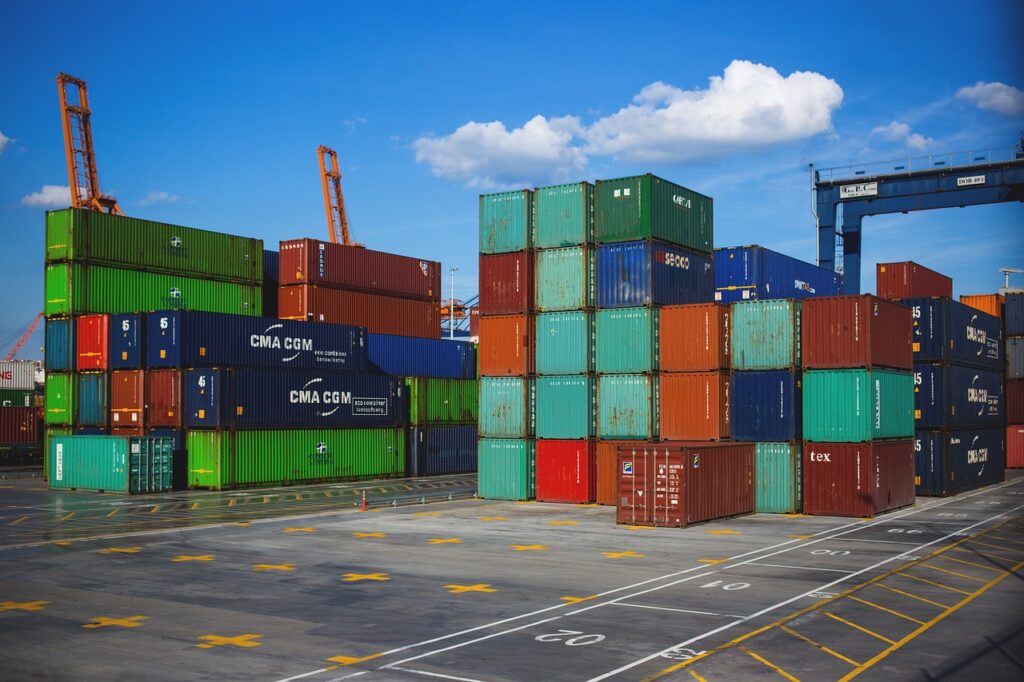
In the world of export business, getting an export order is a thrilling experience. Whether you’re exporting spices, garments, or tea from India, the idea of entering the global market is exciting. But here’s a truth that many new exporters learn the hard way:
Getting an export order is not the ultimate success — fulfilling it profitably is.
Especially in the tea export industry, where pricing, quality, and supply consistency are critical, accepting the wrong export order can result in major losses. In this post, I’ll explain why it’s not just important to win an export order — it’s equally important to analyze and sometimes reject it if the conditions aren’t right.
Updated for 2026
This article has been updated with the latest export best practices, practical lessons from real business experience, and official guidance to help Indian exporters make safer decisions before accepting an export order.
Why Exporters Must Analyze an Export Order Carefully
When starting an export business, most people focus on how to get export orders. But few talk about how to evaluate an export order properly — or why it’s okay to reject one if it doesn’t make business sense.
Here are key factors every exporter must check before accepting any export order:
1. Accurate Export Pricing & Cost Calculation in an export order
This is where many exporters go wrong. Before accepting an order, ensure your export pricing includes:
- Product cost
- Inland transportation
- Freight charges
- Packaging cost (especially for tea exports: pouches, boxes, etc.)
- Export documentation and certifications
- Customs clearance, duties (if any)
- Banking charges
- Warehousing and storage
Even a small error in cost calculation can lead to major losses — especially in large export orders.
2. Tea Quality and Seasonal Variation
In tea export, particularly with Assam tea, quality varies with season. If you commit to supplying a specific grade or flavor, you must ensure consistent quality throughout the shipment. If your stock cannot meet the buyer’s expectations, the order can backfire.
3. Quantity Fulfillment Capacity
Can you really supply the quantity the buyer wants — within the deadline and at the promised quality? If not, it’s better to decline the export order than to risk partial delivery or poor reviews.
4. Buyer Credibility and Payment Terms
Before accepting an export order, research the buyer. Are they established? Are they offering secure payment terms like LC (Letter of Credit) or advance payments? Be cautious with high-risk terms.
5. Profitability and Risk Management
An export order that gives zero or negative profit is a loss-making deal. Make sure your profit margin is adequate, even after covering hidden costs like sample courier, warehousing, agent fees, or unexpected shipping delays.
When You Should Say NO to an Export Order
Sometimes rejecting an export order is the smartest business decision. Consider walking away if:
- The buyer refuses secure payment terms (Advance or LC).
- The first order is unusually large without any business history.
- The buyer avoids sharing company registration or business references.
- Prices are far below market rates, making the deal unrealistic.
- The buyer pressures you to ship immediately without proper documentation.
- The buyer asks you to undervalue invoices or break import/export laws.
- International sanctions, trade restrictions, or payment issues make transactions risky.
- The profit margin is too low after considering freight, duties, insurance, and currency fluctuations.
✅ When You Should NOT Reject an Export Order
Don’t lose a genuine customer because of unnecessary fear. Consider accepting the order if:
- The buyer passes your background verification.
- Payment terms are secure (Advance, LC, or insured credit).
- All export documents are clear and complete.
- The order is profitable after calculating all costs.
- The buyer communicates professionally and transparently.
- You have the production capacity and can meet delivery deadlines.
My Personal Export Story – A Lesson Learned
I once received a lucrative-looking tea export order from a Middle Eastern buyer. The quantity was large, and the buyer seemed serious. Excited by the opportunity, I rushed into it — without carefully analyzing my total export cost and the availability of the specific tea variety requested.
By the time I started procurement, Assam tea prices had increased, and the quality needed was short in supply. I had to purchase at higher rates and even compromise on my packaging standards to meet the budget.
Worse, I faced container delays and unexpected charges. The result? I completed the order, but with a heavy financial loss. I later realized — I should have politely declined the order after checking all parameters.
It was a painful experience, but a valuable one. Since then, I’ve made it a rule: I only accept export orders that are fully feasible — technically, financially, and logistically.
💼 My Practical Lesson: I have learned that every export order is not a profitable order. A disciplined “No” to the wrong buyer can save months of stress, financial loss, and legal complications. Always verify the buyer, calculate the true profit, and never compromise on secure payment terms.
Conclusion: Smart Exporting is Not About Accepting Every Order
Whether you’re in tea export, textile export, or any other product category — remember this:
Not every export order is a good order.
The best exporters are not the ones who say “yes” to everything — but the ones who choose their orders wisely.
Final Thoughts: Export Success Comes from Smart Decisions
If you’re starting your export business, don’t just focus on getting export orders. Focus on getting the right orders — those you can fulfill profitably and confidently.
Your reputation as a reliable exporter depends on your ability to deliver quality on time. And sometimes, that means having the courage to say:
“Thank you for the opportunity, but I must respectfully decline this export order.”
It’s a decision you won’t regret.
🛠 Free MSME Business Tools
Planning an export order? Use our free business tools before making a decision:
- GST Calculator
- Invoice Generator
- Proforma Invoice Generator
- Quote Generator hu
- Import Landed Cost Calculator
- Cash Credit Interest Calculator
- Container Loading Calculator
These tools can help you calculate costs, prepare documents, and improve business decisions.
💡 Recommended Tools for Exporters
Need to find overseas buyers or manage export business efficiently?
• Volza – Find verified importers and global shipment data.
• Zoho Books – Create invoices, manage accounts, and simplify bookkeeping for exporters
.👤 About the Author
Tabrez is the founder of BusinessZindagi.com and a first-generation entrepreneur from Assam. With practical experience in tea exports and MSME business, he shares real-world lessons, export guidance, business tools, and practical strategies to help entrepreneurs grow with confidence.
🤖 AI & Affiliate Disclosure
This article has been reviewed and enhanced using AI for better clarity and readability. The business experiences and opinions shared are based on the author’s practical knowledge.
Some links on BusinessZindagi may be affiliate links. If you purchase through them, we may earn a small commission at no extra cost to you.
📚 References
• Directorate General of Foreign Trade (DGFT)
• Reserve Bank of India (RBI)
• ECGC – Export Credit Guarantee Corporation of India
• ICEGATE – Indian Customs Electronic Gateway