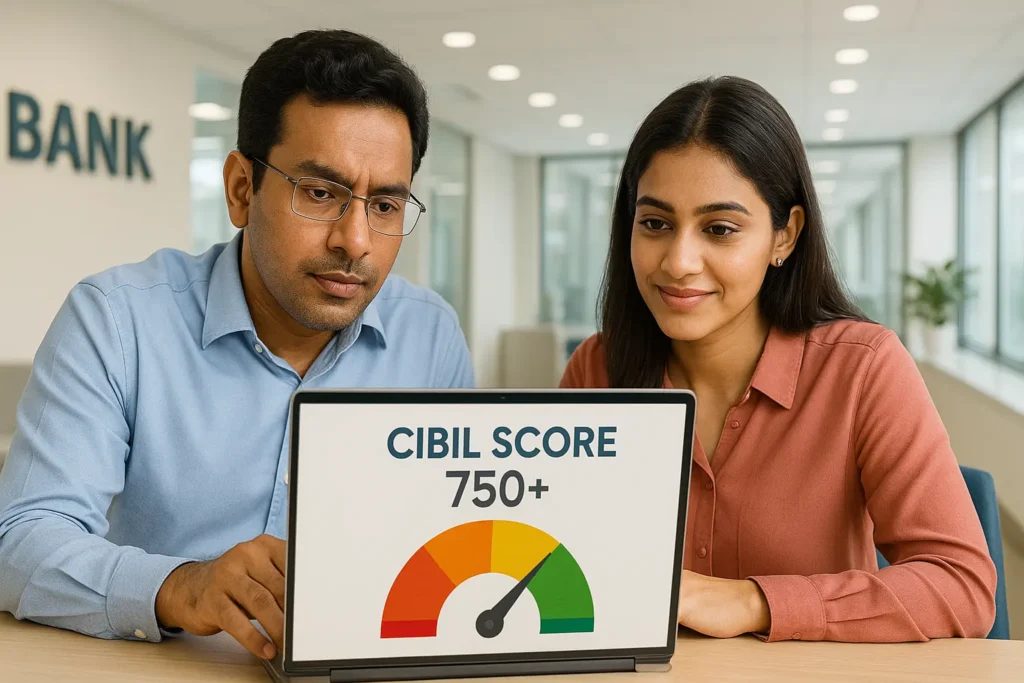
A Simple Guide for Individuals, MSMEs and Corporates
If money makes the world go round, then your credit score is what keeps the wheels moving. Every time you apply for a loan, a credit card, or even a business overdraft, one silent number decides your financial fate — your CIBIL Score.
It’s something most people have heard of, but few really understand. So, let’s break it down clearly — what it is, who creates it, how it works, and why it matters more today than ever.
You may also like to read: Your Business Has a CIBIL Score Too — Here’s How to Improve It
What Exactly Is a CIBIL Score
A CIBIL Score is a three-digit number between 300 and 900 that shows how creditworthy you are — in simple words, how likely you are to repay your loans and EMIs on time.
The higher your score, the more trustworthy you appear to lenders.
- 750 and above: Excellent
- 650–749: Good
- 550–649: Average
- Below 550: Poor
In short, it’s your financial report card. Banks, NBFCs, and even digital lenders check it before approving your loan or credit card.
Who Generates the CIBIL Score
The score is generated by TransUnion CIBIL Limited, earlier known as Credit Information Bureau (India) Limited. That’s where the name CIBIL comes from.
It is not a government organization. It’s a private company regulated by the Reserve Bank of India (RBI) under the Credit Information Companies Act, 2005.
CIBIL collects and analyzes credit data shared by banks, NBFCs, and financial institutions across India. Every month, these lenders send updates about your loans, credit cards, and repayments, and CIBIL updates your score accordingly.
Is CIBIL Only in India
Yes, the term “CIBIL” is specific to India. But almost every country has its own credit bureau and scoring system, though they go by different names.
| Country | Credit Bureaus | Common Score Range or Brand |
|---|---|---|
| India | TransUnion CIBIL | 300–900 |
| USA | Equifax, Experian, TransUnion | 300–850 (FICO/VantageScore) |
| UK | Experian, Equifax, TransUnion | 0–999 |
| Canada | Equifax, TransUnion | 300–900 |
| Australia | illion, Equifax | 0–1200 |
So, while India has CIBIL, other countries have their own versions of a credit score.
Types of CIBIL Scores
CIBIL provides different types of scores and reports depending on who you are:
1. Individual CIBIL Score
For individuals, based on your personal credit cards, loans, and repayment history.
Range: 300 to 900
2. Company Credit Report (CCR) and CIBIL Rank
For companies or registered businesses. This report covers a company’s borrowing and repayment patterns.
Range: 1 to 10, where 1 is the lowest risk.
3. CIBIL MSME Rank (CMR)
Specifically for micro, small, and medium enterprises (MSMEs) with loan exposure between ₹10 lakh and ₹50 crore.
Range: 1 to 10
Importance of CIBIL Score for Different Categories
For Individuals
Your CIBIL score affects:
- Loan and credit card approval chances
- Interest rates you receive
- Credit limit on cards or loans
- Eligibility for mortgages and home rentals
A score above 750 generally means faster approvals and better loan offers, while a low score can make borrowing expensive or difficult.
For Small Businesses and MSMEs
Lenders look at both your personal and business credit records before approving loans. A good CIBIL Rank or MSME Rank helps small businesses:
- Get loans faster
- Access lower interest rates
- Build trust with suppliers and vendors
- Qualify for government MSME financing schemes
It’s essentially your business’s reputation in numbers.
For Corporates and Private Limited Companies
Large businesses and corporates are evaluated based on their CIBIL Rank and Company Credit Report (CCR). A strong rank (1 to 4) signals good repayment behavior and financial health, helping corporates get better access to bank credit and lower borrowing costs.
Why the CIBIL Score Matters More Today
The importance of a good credit score has grown rapidly in recent years.
- Rise of Digital Lending: Instant loan apps and fintech platforms depend heavily on CIBIL scores for quick approvals.
- Better Interest Rates: Lenders offer lower rates to borrowers with good credit.
- Business Credibility: Vendors and corporates often check a business’s credit rank before partnerships.
- Professional and Lifestyle Impact: Some employers and landlords review credit backgrounds for high-responsibility roles.
In short, your credit score has become your financial reputation. It influences far more than just loans.
How to Improve Your CIBIL Score
Here are simple, proven ways to build and maintain a good credit score:
- Pay all EMIs and credit card dues on time.
- Keep credit utilization below 60 percent of your total limit.
- Avoid applying for multiple loans at once.
- Regularly check your credit report for errors.
- Don’t close old credit accounts; they show financial maturity.
- Maintain a balanced mix of secured and unsecured loans.
Whether you’re applying for a personal loan, managing an MSME, or running a large corporation, your CIBIL score speaks louder than your words.
It reflects how you manage trust — the trust of lenders, suppliers, and partners.
In today’s financial world, your creditworthiness defines your credibility.
Check your CIBIL report regularly, correct errors, and build responsible financial habits — because your score today could decide your opportunities tomorrow.
Frequently Asked Questions (FAQs)
1. Is CIBIL a government organization?
No. CIBIL is a private credit bureau regulated by the Reserve Bank of India.
2. How often does CIBIL update my score?
Usually every 30 to 45 days, based on new data from banks and financial institutions.
3. What is considered a good CIBIL score?
For individuals, 750 and above is excellent. For businesses, a CIBIL Rank between 1 and 4 is ideal.
4. Does checking my own CIBIL score lower it?
No. Checking your score is called a soft inquiry and does not affect your score.
5. Is CIBIL the same in every country?
No. Each country has its own credit bureaus like Experian, Equifax, or TransUnion, which work under different names.
About the Author
Tabrez | Founder – BusinessZindagi.com
Tabrez writes about small businesses, money, and entrepreneurship in simple language. His goal is to make finance easy to understand for India’s growing MSME and startup community.
References and Sources
- TransUnion CIBIL Official Website
- Reserve Bank of India – Credit Information Framework
- PaisaBazaar – Understanding CIBIL Score
- SMFG India Credit – MSME CIBIL Rank Explained
- Kinara Capital – Consumer vs. Business CIBIL Score